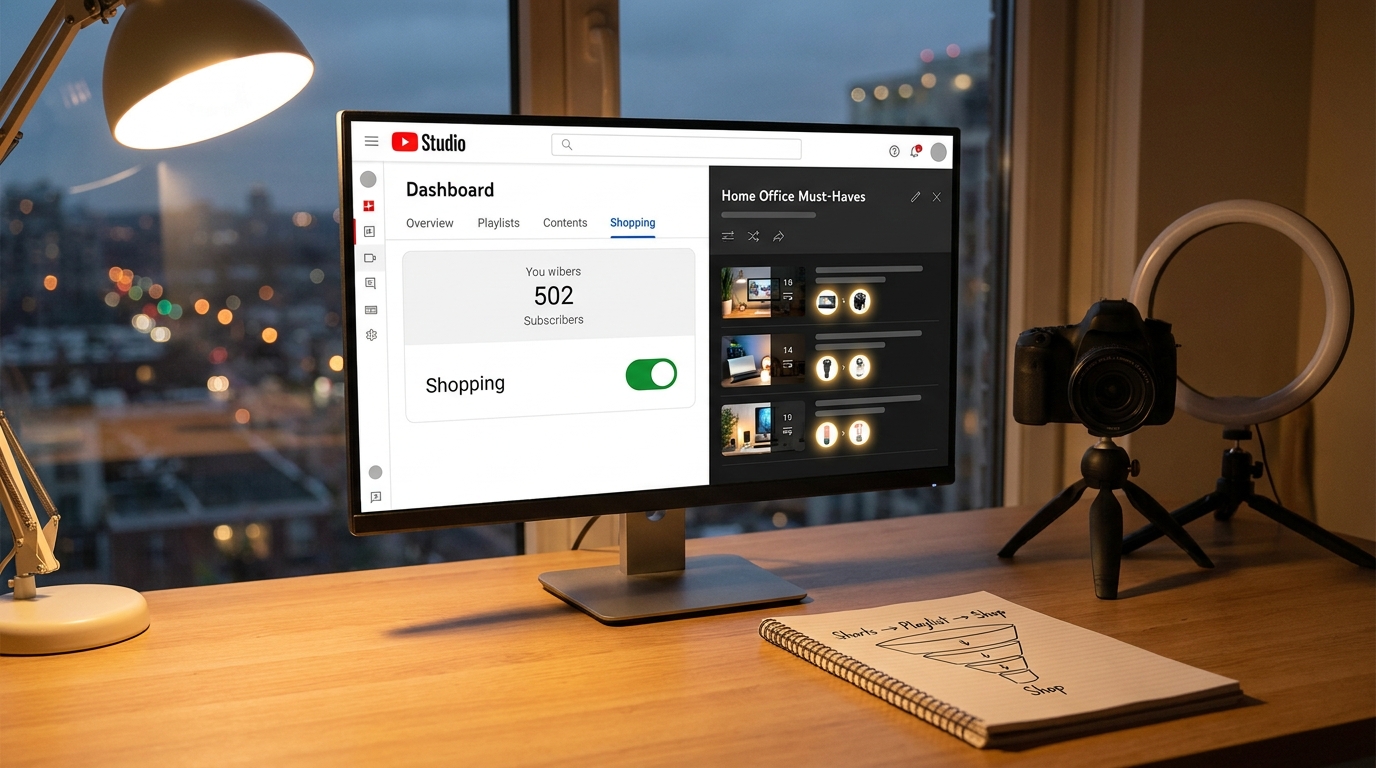
It is frustrating to watch bigger creators rake in shopping commissions while your small YouTube channel feels stuck waiting for its turn. A lot of nano creators assumed YouTube Shopping was still out of reach unless they already had a big audience, brand deals, and a polished storefront. That is what makes this quiet change such a big deal. YouTube has lowered Shopping affiliate eligibility to 500 subscribers for many creators, which means the door is finally open much earlier than people expected. The catch is simple. Having access is not the same as having a plan. If you just dump random product links under every upload, you will probably earn very little. But if you build a focused YouTube Shopping affiliate 500 subscribers strategy around helpful videos, clear product picks, and search-friendly topics, a tiny channel can absolutely start making real money. Not overnight. But much faster than most people think.
⚡ In a Hurry? Key Takeaways
- YouTube Shopping affiliate access is now opening to creators with 500 subscribers, giving nano channels a real path to product-based income.
- The best move is to focus on a narrow product niche and make search-friendly videos that solve buying questions, not spam links everywhere.
- This matters right now because YouTube offers a steadier, search-driven option while Amazon payouts feel tighter and TikTok Shop can change fast.
What actually changed
YouTube quietly made Shopping affiliate access available at a much lower threshold for eligible creators. The headline number is 500 subscribers, which is a huge shift from the old feeling that shopping tools were mostly for established channels.
For small creators, that changes the math. You no longer need to wait until you are “big enough” to start learning product content. You can start earlier, test what viewers click, and build proof that you can drive sales.
That last part matters more than vanity metrics. Brands love views, sure. But tracked sales get remembered.
Why this is a bigger deal than it looks
A lot of creators have been squeezed from both sides. Amazon affiliate and Influencer earnings can feel less generous than they used to. TikTok Shop can work, but it is volatile, trend-heavy, and often rewards people who are willing to go all-in on a fast-moving format.
YouTube is different. Its advantage is search. A decent product video can keep showing up in results for months, sometimes years. That gives small creators something rare. Shelf life.
If someone searches for “best desk mic for Zoom calls” six months from now and your video answers that question clearly, you still have a shot at the sale.
The mistake most new creators will make
They will treat YouTube Shopping like a link dump.
That means tagging random items, stuffing descriptions with unrelated products, and hoping something sticks. It usually does not. Viewers can tell when you are recommending things just because there is a commission attached.
Small channels do better when they feel useful, specific, and honest. People are not asking you to be a department store. They are asking you to help them choose.
Your YouTube Shopping affiliate 500 subscribers strategy
1. Pick one buying category
Start narrower than you think you need to. Not “tech.” Not even “home office tech.” Go smaller.
Good examples:
- budget microphones for beginners
- desk accessories for remote workers
- kitchen tools for small apartments
- camera gear for solo creators
- pet products for anxious dogs
A focused niche helps YouTube understand your channel, helps viewers trust your recommendations, and helps brands see where you fit.
2. Make videos around buying intent
Shopping content works best when it answers questions people already search for.
Try topics like:
- Best [product] under $50
- [Product A] vs [Product B]
- What I actually use for [task]
- 3 mistakes to avoid before buying [product]
- My honest review after 30 days
These formats attract viewers who are already close to a purchase. That is much better than chasing broad entertainment views that never convert.
3. Tag fewer products, but make them fit
You do not need ten product links under every video. In fact, that can hurt more than help.
If your video is about one beginner webcam, tag that webcam, one competing option, and maybe one useful accessory. Keep the shopping experience clean. Too many choices can make people click nothing.
4. Say who the product is for, and who it is not for
This is where trust comes from.
Instead of saying, “This is an amazing mic,” say, “This is great if you do Zoom calls and want better sound without setup headaches. It is not great if you need pro-level recording.”
That sounds more honest because it is. Honest creators convert better over time than hype machines.
5. Build a simple funnel
Think in steps.
- Shorts introduce the problem or product.
- Longer videos answer the buying question.
- Shopping tags and description links capture the sale.
For example, a Short might show “the desk light that stopped my grainy webcam look.” The full video can compare three lights and explain which one is worth buying. The shopping link closes the loop.
6. Use your comments as product research
Your audience will tell you what to make next if you listen.
Questions like “Will this work with an iPhone?” or “Is this better than the Logitech one?” are not just comments. They are future videos. Every one of those can become another shopping-focused upload.
What kind of nano creator can win here?
You do not need movie-level production. You need clarity.
Nano channels often do especially well in shopping when they are:
- deeply niche
- genuinely hands-on with products
- good at explaining tradeoffs in plain English
- consistent about serving one type of buyer
A 1,500-subscriber channel that helps teachers choose classroom gadgets can be more valuable than a 100,000-subscriber general lifestyle channel with weak buying intent.
What to post in your first 30 days
If you just got access, do not overcomplicate it. Try this:
Week 1
- One “best product for beginners” video
- Two Shorts pulling out one tip or one product feature
Week 2
- One comparison video
- One community post asking what people are deciding between
Week 3
- One “what I actually use” video
- Two Shorts answering quick buying questions
Week 4
- One honest review after real use
- One roundup video based on the questions you got in comments
This gives you a small but useful content library. More important, it starts teaching YouTube what kind of shopper your channel serves.
How to avoid looking salesy
This is the part many creators worry about, and fairly so. Nobody wants to sound like a late-night infomercial.
The easy fix is to lead with the problem, not the product.
Bad approach: “Here are five products you should buy.”
Better approach: “If your laptop stand wobbles during video calls, here are three options that fix that, and one I would skip.”
That sounds helpful because it is built around real use. The sale becomes a byproduct of useful advice.
What brands will notice later
If you can generate even modest tracked sales in a niche, you become more interesting than a creator with random viral views.
Brands look for creators who can do three things:
- reach the right buyer
- explain products clearly
- move people from interest to purchase
YouTube Shopping gives you early proof. That proof can lead to better affiliate opportunities, direct partnerships, or custom discount arrangements later.
Three traps to avoid
Chasing every trending product
It is tempting, but it can make your channel feel messy. Stay close to your niche.
Reviewing products you have barely used
Viewers can smell borrowed opinions. Even a simple real-world test is better than repeating the spec sheet.
Ignoring old videos
Your older search videos can keep earning. Update descriptions, refresh tags where relevant, and watch which products keep getting clicks.
At a Glance: Comparison
| Feature/Aspect | Details | Verdict |
|---|---|---|
| Eligibility | Access is rolling out to creators at 500 subscribers, much earlier than many expected. | Great news for nano creators who want to start monetizing product content sooner. |
| Best content style | Search-based videos with buying intent, like comparisons, beginner picks, and honest reviews. | Best path for steady clicks and better conversion than random product mentions. |
| Long-term value | YouTube videos can keep ranking and earning over time, unlike trend-driven social posts. | Strong option for creators who want a more stable monetization mix. |
Conclusion
This is one of those platform changes that looks small on paper but could matter a lot for regular creators. The lower 500-subscriber bar gives nano channels a real opening at a moment when Amazon earnings feel tighter and TikTok Shop can feel unpredictable. YouTube offers something many small creators have been missing, a stable, search-driven way to make product content pay without betting everything on livestreams or one shaky platform. The creators who win will not be the ones who paste the most links. They will be the ones who build a focused YouTube Shopping affiliate 500 subscribers strategy, answer real buying questions, and earn trust one useful video at a time. If you start now, while many creators still have no clue this changed, you have a real chance to become the niche partner brands remember when they want sales, not just views.