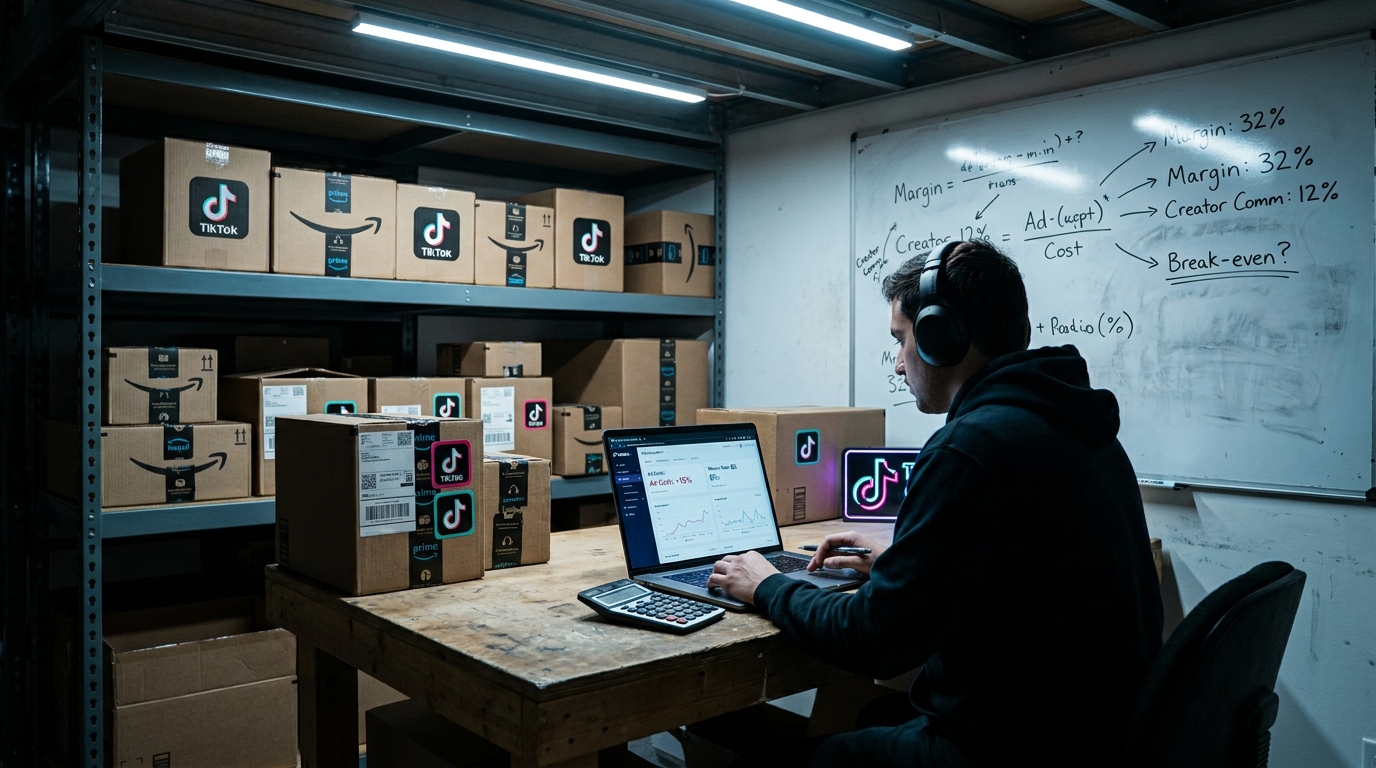
TikTok Shop used to feel like found money. Post a clever video, tag a product, watch the orders roll in. Now a lot of sellers and creators are staring at the same ugly math. Commissions are up. Ads cost more. Returns are eating profit. You can hit a nice-looking GMV number and still feel broke by the end of the month. If that sounds familiar, you are not doing it wrong. You are dealing with the tiktok shop margin squeeze 2026, and it is very real. The platform did not suddenly stop working. It just grew up. That means the old playbook, push volume at any cost and sort out profit later, has stopped making sense for smaller brands and mid-tier creators. The good news is that smart operators are still making money. They are just doing it with tighter product picks, stricter ad rules, better return control and a much healthier respect for boring things like contribution margin and fulfillment costs.
⚡ In a Hurry? Key Takeaways
- TikTok Shop still works in 2026, but easy profit is gone. You need a profit-first plan, not a GMV-first plan.
- Start with products that can absorb fees, creator commissions and returns. If the numbers only work when nothing goes wrong, they do not work.
- High viral sales can hurt you if shipping, refunds and stock are weak. Build guardrails before the next big post lands.
What changed on TikTok Shop
The basic problem is simple. More people are competing for the same attention, and the platform takes a bigger slice than it used to. Add in creator payouts that can creep toward 20 percent, higher paid traffic costs and return rates that are often worse than normal ecommerce, and your margin gets squeezed from every side.
This is why so many sellers say, “Sales are up, but profit is down.” They are not imagining it. TikTok Shop has moved from land-grab mode into efficiency mode. The winners in 2026 are not always the loudest brands. They are the ones with discipline.
Why the old growth playbook breaks now
For a while, the goal was easy. Get more creators. Run more samples. Spend more on ads. Chase more GMV. That worked when fees were friendlier and customer acquisition was cheap enough to forgive sloppy operations.
Now that same strategy can trap you.
Problem 1: GMV hides weak profit
Gross merchandise value looks great in screenshots and pitch decks. It does not pay your warehouse bill. If a product sells for $30, but after platform fees, creator commission, shipping, discounts, ad spend and returns you keep $2 or lose money, the order volume is not helping you much.
Problem 2: Viral traffic is messy traffic
TikTok is built on impulse. That is powerful, but it also means more buyer regret, more “not as expected” complaints and more returns than many brands planned for. A product that gets bought in a burst often gets judged later in a calmer mood.
Problem 3: Mid-tier creators feel the squeeze too
Creators are not just posting links and collecting easy checks anymore. Their audience is more ad-aware. Conversion rates can wobble. Some brands want heavy posting for thinner payouts. If a creator pushes too many low-quality products, trust drops fast.
The profit-first playbook for brands
If you sell on TikTok Shop in 2026, you need a simple rule. Do not ask, “Can this go viral?” first. Ask, “Can this stay profitable if it does?”
1. Pick fewer products with better economics
Not every item belongs on TikTok Shop. The best products now tend to have:
- Healthy gross margins
- Low breakage and return risk
- Clear demo value in short video
- Simple sizing or low fit confusion
- Lightweight shipping
If your item is fragile, expensive to ship, easy to regret or hard to explain in 20 seconds, be careful. You may still sell plenty, but the margin damage can wipe out the win.
2. Build your numbers backward from worst-case reality
This is the part many sellers skip. Before launching a product, model the economics with real-world friction included.
For example, estimate:
- Platform fee
- Creator commission
- Paid traffic cost
- Discounts or coupons
- Fulfillment and packaging
- Return and refund rate
- Customer support cost
If the product still makes money after all that, great. If not, do not hope your way past it.
3. Cap creator commissions by product type
A flat high commission across your whole catalog is lazy and expensive. Better brands now tier commissions based on margin, return risk and customer lifetime value.
A hero product with big repeat potential may justify a richer payout. A one-off low-margin product probably does not. If you treat every SKU like a customer acquisition machine, your profits disappear.
4. Stop buying unprofitable traffic just to keep momentum
This one hurts because declining sales can feel scary. But forcing bad paid traffic into weak offers usually makes things worse. Set strict rules for ad spend. If your cost per acquisition rises past the level your margin can support, slow down and fix the offer, the landing page or the creator mix.
More traffic is not the answer to broken economics.
5. Attack returns like a product problem, not just a customer service problem
Returns are one of the biggest hidden drains in the tiktok shop margin squeeze 2026. The brands doing well are not simply processing refunds faster. They are reducing the reasons people want refunds in the first place.
That means:
- More honest product videos
- Clear sizing and dimensions
- Better packaging
- Fewer exaggerated claims
- FAQ clips that answer buyer doubts before checkout
If your content oversells the result, returns will collect the debt later.
How creators still make good money
Creators are not powerless here. In fact, the smartest ones are becoming more valuable because they can help brands sell without wrecking margins.
1. Be picky about what you promote
The easiest trap is saying yes to too many offers. Short-term cash feels nice. Long-term audience trust matters more. Creators who keep conversion strong in 2026 are usually promoting fewer, better-fit products that actually satisfy buyers.
If your audience keeps buying junk from your links, your future earnings get weaker. Trust is your margin.
2. Negotiate beyond simple commission
If a brand wants heavy posting but the product economics are tight, ask for a mixed deal. That could mean a smaller commission plus a fixed fee, performance tiers or bonuses tied to net sales rather than raw gross sales. A mature creator business should not depend on one shaky commission number.
3. Make content that filters bad buyers out
This sounds backward, but it works. A good product video should sell the right customer, not every customer. If you show who the product is for, how it works, what the limits are and what to expect, you may get slightly fewer impulse purchases. You often get better conversion quality and fewer returns.
4. Track net earnings, not dashboard vanity
Creators should watch refunded orders, delayed payouts and repeat conversion by brand. One partnership that looks huge on the front end can be worse than a smaller one with lower refund rates and steadier audience response.
Three practical rules for surviving the margin squeeze
Rule 1: Know your contribution margin by channel
Do not blend TikTok Shop, Amazon, Instagram and your own site into one big happy spreadsheet. Track each channel separately. TikTok may be useful for discovery and creator-led bursts, while your own site may keep more profit on repeat orders.
That channel view helps you decide when to use TikTok for customer acquisition and when to nudge repeat buyers elsewhere.
Rule 2: Treat fulfillment like marketing
Fast shipping, accurate packing and clean customer service are not back-office chores anymore. They shape reviews, returns and repeat purchases. In social commerce, bad operations become public very quickly. Good operations protect margin.
Rule 3: Plan for success, not just for launch
Many sellers can launch. Fewer can survive a spike. If a video suddenly drives 5,000 orders, do you have stock, support coverage, packaging and a returns process ready? Going viral should be exciting, not a financial panic attack.
What small brands should stop doing right now
- Stop paying top commissions on products with weak margins.
- Stop treating every creator as equally valuable.
- Stop scaling ad spend before you understand refund behavior.
- Stop using misleading hooks that create buyer regret.
- Stop celebrating GMV without checking net profit after returns.
What small brands should start doing instead
- Start with one or two “TikTok-native” hero products.
- Start testing creators in smaller batches with clear performance targets.
- Start building content that answers objections before purchase.
- Start moving repeat customers into owned channels where possible.
- Start reviewing unit economics every week, not once a quarter.
Is TikTok Shop still worth it in 2026?
Yes, for the right products and the right operators. No, if you are hoping for the old easy-money version to come back.
TikTok Shop is still one of the fastest ways to create demand with short-form video. It still gives smaller brands and creators a shot they might not get through traditional retail. But it now rewards discipline a lot more than hustle theater.
That is not the end of social commerce. It is the grown-up phase of social commerce.
At a Glance: Comparison
| Feature/Aspect | Details | Verdict |
|---|---|---|
| Old TikTok Shop playbook | Chase GMV, high commissions, broad creator seeding, aggressive discounts, scale first and sort profit later. | Too risky in 2026 for most small brands and mid-tier creators. |
| Profit-first 2026 playbook | Use tighter product selection, channel-by-channel margin tracking, controlled ad spend and return reduction tactics. | Best path for staying profitable and sustainable. |
| Creator-brand partnerships | Better when based on fit, trust, realistic payouts and net sales quality, not just headline commission rates. | Still strong, but only with smarter deal structure and more selective promotions. |
Conclusion
TikTok Shop has not turned against small brands and creators. It has just become less forgiving. That matters because the tiktok shop margin squeeze 2026 is not a temporary blip. Higher commissions, more expensive traffic and heavier return pressure are now part of the normal math. If you keep playing the old growth-at-any-cost game, burnout is the likely outcome. If you switch to a profit-first operating playbook, you give yourself a real chance to stay in the game. That means using TikTok, Instagram and Amazon storefronts with more care, choosing products that can survive the fee stack, and building systems that can handle success without chaos. The goal is simple. You should be happy when a video takes off, not terrified about refunds, shipping costs and whether all that “growth” actually made you poorer.